

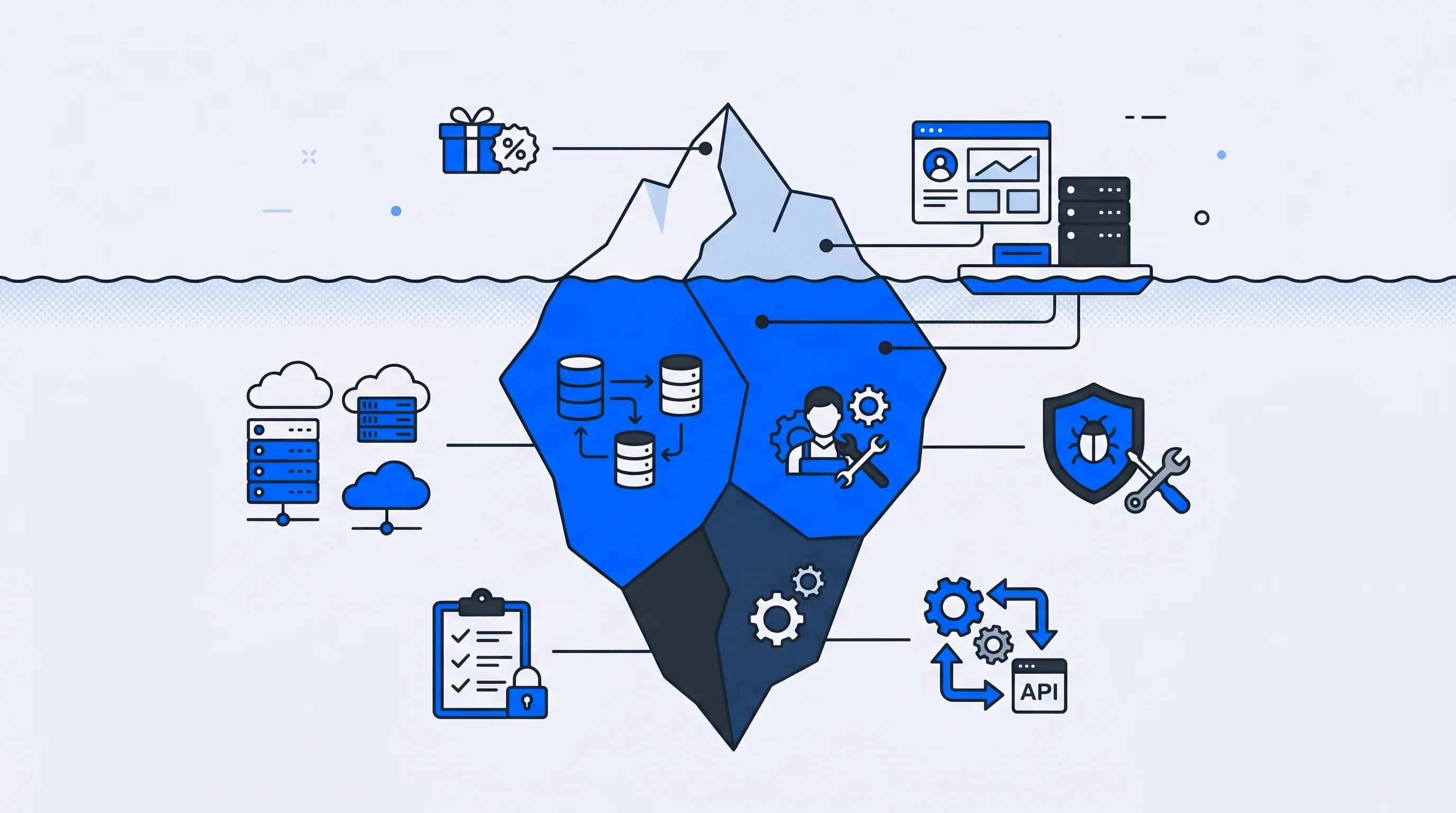
Die Apache-2.0-Lizenz von Keycloak kostet exakt null Euro – was es zu einem attraktiven Ausgangspunkt für Teams macht, die Identity-Management-Optionen evaluieren. Aber dieser Nullbetrag gilt nur für die Softwarelizenz selbst, nicht für die Infrastruktur, Engineering-Zeit, Sicherheitsarbeit oder den Compliance-Aufwand, der notwendig ist, um sie zuverlässig zu betreiben.
Die Lücke zwischen „kostenlos herunterladen" und „kostenlos betreiben" überrascht viele Organisationen – manchmal erst, wenn die Implementierung bereits in vollem Gange ist. Dieser Leitfaden schlüsselt die realen Kostenkategorien auf, mit denen Ihr Team konfrontiert wird – von Cloud-Hosting und DevOps-Investitionen bis hin zu Sicherheits-Patching und Integrationsentwicklung –, damit Sie vor einer Entscheidung realistisch budgetieren können.
Warum Keycloaks 0-€-Lizenz mit erheblichen Kosten verbunden ist
Keycloak ist Open Source und kostenlos lizenziert, aber seine versteckten Kosten entstehen durch den Betriebsaufwand, der für den Produktionsbetrieb erforderlich ist. Das Label „kostenlos" gilt nur für die Softwarelizenz, nicht für die Server, Ingenieure, Sicherheitsarbeit und Compliance-Overhead, die notwendig sind, um es verfügbar und sicher zu halten. Viele Teams entdecken diese Lücke erst, nachdem sie sich bereits für ein selbstgehostetes Deployment entschieden haben.
Die Kostenkategorien, die Organisationen am häufigsten überraschen, sind:
- Infrastrukturkosten: Server, Datenbanken, Load Balancer und Cloud-Ressourcen
- Personalkosten: Engineering-Zeit für Einrichtung, Wartung und Rund-um-die-Uhr-Support
- Sicherheitskosten: Patching, Schwachstellenmanagement, Audits und Penetrationstests
- Compliance-Kosten: Dokumentation, Zertifizierungen und EU-Datenlokalisierungsanforderungen
- Integrationskosten: Anbindung von Keycloak an CRMs, CDPs und Marketing-Tools
Jede Kategorie im Voraus zu verstehen hilft Ihrem Team, realistisch zu budgetieren, statt auf halber Strecke Finanzierungslücken zu entdecken.
Was Total Cost of Ownership für Keycloak bedeutet
Total Cost of Ownership (TCO) ist ein finanzielles Framework, das alle direkten und indirekten Kosten für den Einsatz und Betrieb von Software über den gesamten Lebenszyklus erfasst. Für selbstgehostete Identity-Systeme wie Keycloak geht der TCO weit über die Nullkosten-Lizenz hinaus und umfasst alles von Cloud-Rechnungen über Engineering-Gehälter bis hin zu Sicherheitsaudits.
Sie können den Keycloak-TCO in drei Schichten betrachten:
- Direkte Kosten: Infrastruktur-Hosting, Datenbankdienste, Monitoring-Tools
- Indirekte Kosten: Engineering-Gehälter, Opportunitätskosten des Selbstentwickelns statt Kaufens
- Laufende Kosten: Wartung, Upgrades, Sicherheits-Patching und Compliance-Arbeit
Bei der Bewertung von Keycloak-Kosten ist die eigentliche Frage nicht, ob die Software kostenlos ist. Die eigentliche Frage ist, ob Ihre Organisation die operative Investition verkraften kann, die erforderlich ist, um sie sicher und zuverlässig über die Zeit zu betreiben.
Keycloak-Hosting- und Infrastrukturkosten, die sich nicht vermeiden lassen
Das Selbsthosting von Keycloak bedeutet, dass Ihre Organisation den gesamten darunter liegenden Stack bezahlt und verwaltet. Das sind keine einmaligen Ausgaben – sondern wiederkehrende monatliche Kosten, die mit Ihrer Nutzerbasis, dem Traffic-Volumen und den Verfügbarkeitsanforderungen skalieren.
Cloud-Compute und Datenbankressourcen
Der Produktionsbetrieb von Keycloak erfordert virtuelle Maschinen oder Container, eine persistente relationale Datenbank wie PostgreSQL oder MySQL sowie Load Balancer zur Lastverteilung. Selbst ein bescheidenes Deployment, das sich über Entwicklungs-, Staging- und Produktionsumgebungen erstreckt, kann eine nennenswerte monatliche Cloud-Rechnung erzeugen.
Ein einfaches AWS-Setup mit ECS-Containern, einem Application Load Balancer und einer Aurora-Datenbank kann bereits mehrere hundert Euro pro Monat kosten – bevor Sie höhere Verfügbarkeit, stärkere Backup-Anforderungen oder geografische Redundanz hinzufügen.
Hochverfügbarkeit und Disaster Recovery
Authentifizierungssysteme sind kritische Infrastruktur. Wenn der Login ausfällt, wird jede verbundene Anwendung unzugänglich. Das bedeutet, dass produktionsreife Deployments typischerweise redundante Keycloak-Instanzen über mehrere Availability Zones hinweg, automatisches Failover und Datenbankreplikation erfordern.
Keycloak setzt auch auf Infinispan für verteiltes Caching in geclusterten Deployments, was sowohl Infrastruktur-Overhead als auch operative Komplexität hinzufügt. Sobald Sie sich in Richtung Multi-Site- oder Hochverfügbarkeits-Cluster bewegen, steigen sowohl die Kosten als auch der Einrichtungsaufwand erheblich.
Monitoring- und Observability-Tools
Log-Aggregation, Metriken-Dashboards, Tracing und Alerting helfen Teams, Probleme zu erkennen, bevor Benutzer sie melden. Tools wie Prometheus und Grafana oder verwaltete Observability-Dienste von Cloud-Providern verursachen Kosten und erfordern Konfigurationsexpertise.
Ohne ordentliche Observability wird die Diagnose von Login-Fehlern, Token-Problemen oder Performance-Engpässen zum Rätselraten – und Ausfälle dauern tendenziell länger als nötig.
DevOps- und Engineering-Zeit ist oft der größte Kostenfaktor
Personal ist häufig der größte versteckte Kostenfaktor in einem selbstgehosteten Keycloak-Deployment. Die Plattform erfordert spezialisiertes Identity- und DevOps-Wissen, das viele Organisationen unterschätzen oder intern schlicht nicht verfügbar haben. Diese Herausforderung wird durch den breiteren Fachkräftemangel in der Cybersicherheit verschärft: ISC2 stellte fest, dass 59 % der Organisationen kritische Personallücken in der Cybersicherheit aufweisen.
Das Fachwissen, das Keycloak erfordert, ist genau das, was am schwersten zu finden ist
Ersteinrichtung und Produktionshärtung
Keycloak produktionsbereit zu machen umfasst Realm-Design, Branding und Theme-Anpassung, die Anbindung externer Identity Provider für Social Login oder Enterprise Federation sowie das Design von Authentifizierungsabläufen. Eine einfache Einrichtung kann Wochen dauern. Enterprise-grade Implementierungen mit individuellen Integrationen erfordern oft Monate konzentrierter Engineering-Zeit.
Teams müssen außerdem TLS, Secret Management, Backup-Richtlinien, Infrastructure-as-Code und Deployment-Automatisierung abdecken, wenn sie ein wartbares Produktionssystem statt einer fragilen Einzelinstallation wollen.
Laufende Wartung und Versions-Upgrades
Keycloak veröffentlicht regelmäßig Updates, und Upgrades erfordern Tests in Staging, die Verwaltung von Datenbank-Migrationen und den Umgang mit Breaking Changes über Hauptversionen hinweg. Viele Teams berichten, dass sie allein für die Pflege der Produktionsumgebung mehrere Stunden pro Woche aufwenden.
Dieser Zeitaufwand summiert sich. Jeder Upgrade-Zyklus erfordert Planung und Validierung. Wenn Versionen zu weit hinter dem aktuellen Stand zurückbleiben, steigt das Sicherheitsrisiko und zukünftige Upgrades werden in der Regel schwieriger.
Rufbereitschaft und Incident Response
Authentifizierungsdienste müssen 24/7 verfügbar sein. Das bedeutet Rufbereitschaftsdienste, die Fehlersuche bei fehlgeschlagenen Logins zu ungünstigen Zeiten und schnelle Reaktion, wenn Benutzer keinen Zugriff auf kritische Anwendungen haben. Anders als bei kommerziellen Identity-Plattformen gibt es kein Anbieter-Support-Team, an das man sich bei komplexen Produktionsproblemen wenden kann.
Besonders für kleine Teams kann diese operative Belastung Keycloak teurer machen als eine verwaltete Lösung, sobald Personalkosten und Ingenieur-Burnout eingerechnet werden.
Sicherheits-Patching und Schwachstellenmanagement verursachen laufende Kosten
Beim Selbsthosting liegt die gesamte Sicherheitsverantwortung bei Ihrem Team. Identity-Systeme sind hochwertige Angriffsziele, und das finanzielle Risiko bei Sicherheitsfehlern ist erheblich. IBM berichtet, dass die durchschnittlichen Kosten einer Datenpanne 2025 bei 4,44 Millionen US-Dollar lagen. Das macht Sicherheit zu einer wiederkehrenden Budgetkategorie – nicht zu einer einmaligen Überlegung.
Beim Selbsthosting von Authentifizierung tragen Sie die volle Haftung im Schadensfall
CVEs und Sicherheitshinweise verfolgen
Ihr Team muss Keycloak-Sicherheitshinweise, Datenbankberatungen und relevante Common Vulnerabilities and Exposures (CVEs) aktiv überwachen. Festzustellen, ob eine Schwachstelle Ihr spezifisches Deployment betrifft, erfordert Sicherheitsexpertise und laufende Aufmerksamkeit.
Patches testen und einspielen
Das Einspielen eines Sicherheits-Patches ist selten so einfach wie das Klicken auf „Aktualisieren". Jeder Patch sollte in Staging getestet, gegen echte Authentifizierungsabläufe validiert, in einer kontrollierten Produktionsänderung ausgerollt und durch einen Rollback-Plan abgesichert werden. Zu schnelles Patchen birgt das Risiko, den Login zu unterbrechen. Zu langsames Patchen erhöht die Exposition.
Sicherheitsaudits und Penetrationstests
Viele Organisationen benötigen zudem externe Sicherheitsaudits und Penetrationstests für ihre Authentifizierungsinfrastruktur. Diese Kosten fallen direkt in Ihr Budget und wiederholen sich oft jährlich oder nach größeren Architekturänderungen.
Tipp: Kalkulieren Sie beim Budgetieren für Sicherheit nicht nur die Audit-Gebühren, sondern auch die Engineering-Zeit, die für die Vorbereitung der Dokumentation, die Beantwortung von Befunden und die Umsetzung von Korrekturmaßnahmen erforderlich ist.
Integrationskosten für SAML und OpenID Connect
Die Anbindung von Keycloak an Ihren bestehenden Stack erfordert echten Entwicklungsaufwand. Obwohl Keycloak Standards wie SAML und OpenID Connect unterstützt, erfordern reale Implementierungen oft mehr als eine grundlegende Protokollkonfiguration.
Keycloak mit CRMs, CDPs und Marketing-Tools verbinden
Die Integration mit CRM-Systemen, Customer Data Platforms und Marketing-Automatisierungstools erfordert typischerweise individuelle Entwicklung. Keycloaks Out-of-the-Box-Integrationsoptionen sind im Vergleich zu verwalteten Identity-Plattformen mit umfangreichen vorgefertigten Konnektoren begrenzt.
Individuelle Protokolladapter und Webhooks entwickeln
Wenn eine Standard-SAML- oder OIDC-Konfiguration nicht ausreicht, entwickeln Teams oft individuelle Service Provider Interfaces (SPIs), Event-Listener oder Webhook-Implementierungen. Da dieses Erweiterungsmodell Java-basiert ist, kann es spezialisierte Expertise erfordern, die Ihr Produkt-Engineering-Team möglicherweise nicht unmittelbar verfügbar hat.
Integrationen bei Systemevolution pflegen
Integrationen sind keine einmaligen Projekte. Drittanbieter-APIs ändern sich, verbundene Systeme werden aktualisiert, und laufende Wartung ist notwendig, um Synchronisierung und Authentifizierungsabläufe funktionsfähig zu halten. Jede Integration wird zu einer langfristigen Support-Verpflichtung.
Compliance-Dokumentation und DSGVO-Auditkosten werden leicht unterschätzt
Im selbstgehosteten Modell ist Ihre Organisation für die Compliance verantwortlich. Es gibt keinen Anbieter, der Zertifizierungen bereitstellt oder Audit-Fragebögen in Ihrem Namen beantwortet. Und die Einsätze sind nicht theoretisch: Regulierungsbehörden haben seit 2018 DSGVO-Bußgelder von mehr als 6,2 Milliarden Euro verhängt.
Vorbereitung auf SOC 2 und Branchenzertifizierungen
Die Erfüllung von SOC 2, ISO 27001 oder branchenspezifischen Standards erfordert Prozessdokumentation, Nachweissammlung, Kontrollimplementierung und Audit-Vorbereitung. Ihr Authentifizierungs-Stack wird Teil des Audit-Umfangs und erhöht sowohl die Komplexität als auch die interne Arbeitsbelastung.
EU-Datenlokalisierungsanforderungen erfüllen
DSGVO- und Kundenbeschaffungsanforderungen können spezifische Hosting-Konfigurationen innerhalb der EU erzwingen. Das kann Ihre Cloud-Provider-Auswahl einschränken oder im Vergleich zu einem einfacheren US-gehosteten Deployment teurere regionsspezifische Infrastruktur erfordern.
Vendor-Risk-Reviews als Systemeigentümer managen
Wenn Kunden und Partner Sicherheitsfragebögen schicken, ist Ihr Unternehmen die verantwortliche Partei für die Identitätsinfrastruktur. Die Beantwortung dieser Reviews erfordert Zeit und Expertise, und Lücken beeinflussen, wie Ihre Organisation aus Sicherheitsperspektive wahrgenommen wird.
Skalierung bringt neue Kostenschichten bei wachsender Nutzerbasis
Keycloak-Kosten wachsen nicht immer linear mit der Nutzeranzahl. Mit zunehmendem Traffic und wachsender Nutzung benötigen Organisationen oft leistungsfähigere Infrastruktur, mehr Performance-Tuning und manchmal architektonische Änderungen, die sowohl direkte Ausgaben als auch operative Komplexität erhöhen.
Häufige Skalierungskosten-Treiber sind:
- Infrastruktur-Skalierung: größere Instanzen, mehr Replikas, höhere Datenbank-Tiers
- Performance-Tuning: Query-Optimierung, Cache-Tuning und Sitzungsverwaltung
- Architektonische Änderungen: Cluster-Konfiguration, geografische Verteilung und CDN-Integration
Teams unterschätzen oft, wie schnell diese Anforderungen entstehen und wie viel spezialisierte Erfahrung sie erfordern.
Wie Keycloak-Kosten im Vergleich zu verwalteten Identity-Plattformen abschneiden
Ein fairer Vergleich zwischen selbstgehostetem Keycloak und kommerziellen Identity-Lösungen erfordert einen Blick auf das vollständige TCO-Bild, nicht nur auf Software-Lizenzgebühren.
| Faktor | Selbstgehostetes Keycloak | Verwaltete Identity-Plattform |
|---|---|---|
| Lizenzkosten | Keine | Abonnementgebühr |
| Infrastruktur | Ihre Verantwortung | Enthalten |
| Wartung | Ihr Team | Vom Anbieter verwaltet |
| Sicherheits-Patching | Ihr Team | Vom Anbieter verwaltet |
| Compliance-Zertifizierungen | Sie beschaffen sie | Oft enthalten |
| Support-SLA | Keines | Vertraglich |
| Vorgefertigte Integrationen | Begrenzt | Umfangreich |
In vielen Fällen sprechen diese Faktoren für verwaltete Plattformen – insbesondere für Organisationen ohne dedizierte Identity-Engineering-Funktion oder für Teams, die einen schnelleren Mehrwert erzielen möchten.
Keycloak-Kosten schätzen und budgetieren
Bevor Sie sich für selbstgehostetes Keycloak entscheiden, hilft die Modellierung des erwarteten TCO, um vorhersehbare Überraschungen zu vermeiden.
1. Infrastruktur- und Hosting-Ausgaben kalkulieren
Schätzen Sie Cloud-Compute, Datenbank-, Speicher- und Netzwerkkosten basierend auf dem erwarteten Nutzervolumen und den Verfügbarkeitsanforderungen. Beziehen Sie Entwicklungs-, Staging- und Produktionsumgebungen ein – nicht nur den Produktions-Cluster.
2. Personalstunden und Gehaltskosten schätzen
Berechnen Sie den Engineering-Aufwand für die Erstimplementierung, laufende monatliche Wartung und Rufbereitschaft. Berücksichtigen Sie auch die Opportunitätskosten des Selbstentwickelns statt Kaufens: Jede Stunde, die für die Wartung von Identitätsinfrastruktur aufgewendet wird, ist eine Stunde, die nicht für Kernproduktarbeit genutzt wird.
3. Sicherheits- und Compliance-Overhead hinzufügen
Budgetieren Sie für Sicherheits-Tools, externe Audits, Penetrationstests und Compliance-Dokumentation. Diese Kosten werden oft frühzeitig weggelassen und tauchen dann alle auf einmal auf, wenn die Audit-Saison beginnt.
4. Integrations- und Anpassungsinvestitionen einplanen
Berücksichtigen Sie den Entwicklungsaufwand für die Anbindung von Keycloak an Ihre bestehenden CRM-, CDP- und Marketing-Systeme. Planen Sie auch die langfristige Wartung ein, wenn sich diese verbundenen Systeme weiterentwickeln.
Wann eine Out-of-the-Box-Identity-Plattform niedrigere Gesamtkosten liefern kann
Verwaltete Identity-Lösungen erzielen oft ein besseres Kostenprofil für Teams ohne dedizierte Identity-Ingenieure, für Organisationen, die schnell vorankommen müssen, oder für Unternehmen, die DSGVO-freundliches Hosting und Compliance-Support standardmäßig benötigen.
Plattformen mit umfangreichen vorgefertigten Integrationen beseitigen einen Großteil der individuellen Entwicklungsarbeit, die Keycloaks versteckte Kosten treibt. Wenn Identitätsinfrastruktur außerdem Einwilligungsmanagement, Datensynchronisierung und Compliance-Support umfasst, kann sich der TCO-Vergleich deutlich verschieben.
Für Organisationen, die Login-Erlebnisse vereinheitlichen wollen, ohne unnötige operative Komplexität zu übernehmen, können sofort einsatzbereite Lösungen, die Single Sign-On (SSO), breite Integrationen und EU-Hosting kombinieren, sowohl den anfänglichen Implementierungsaufwand als auch die langfristige Support-Last reduzieren.
Häufig gestellte Fragen zu Keycloak-Preisen und versteckten Kosten
Ist Keycloak kostenlos für den kommerziellen Einsatz?
Ja. Keycloak verwendet die Apache-2.0-Lizenz, die eine kommerzielle Nutzung ohne Lizenzgebühren erlaubt. Aber Organisationen müssen separat für Infrastruktur, Personal, Sicherheit und Compliance budgetieren, um Keycloak in der Produktion zu betreiben.
Was sind die größten Einschränkungen von selbstgehostetem Keycloak?
Selbstgehostetes Keycloak erfordert erhebliches DevOps- und Identity-Fachwissen, bietet keinen integrierten Anbieter-Support und legt die volle Verantwortung für Patching, Upgrades und Compliance auf Ihr internes Team. Diese operativen Anforderungen übersteigen oft die anfänglichen Erwartungen.
Wie lange dauert eine typische Keycloak-Implementierung?
Ein einfaches Keycloak-Deployment kann mehrere Wochen dauern, während Enterprise-Implementierungen mit individuellen Integrationen, Branding und Hochverfügbarkeitsanforderungen oft mehrere Monate konzentrierter Engineering-Arbeit erfordern.
Föderierte Identität: Erklärung und Funktionsweise
Föderierte Identität ist ein System, das die digitale Identität eines Nutzers über mehrere getrennte Organisationen hinweg verknüpft. Dadurch können sich Nutzer einmal anmelden und auf verschiedene Anwendungen zugreifen, ohne sich bei jeder einzelnen erneut authentifizieren zu müssen. Wenn Sie auf einer Website eines Drittanbieters auf „Mit Google anmelden“ klicken, nutzen Sie föderierte Identität – Google bestätigt, wer Sie sind, sodass die andere Website Ihre Zugangsdaten nicht selbst verwalten muss.
Wie Unternehmen mit Unidy digitale Umsätze steigern
Sammeln - Erhöhung der Anzahl von Nutzerprofilen / Verbinden - Erhöhung der Datenfelder und Opt-ins pro Nutzer / Konvertieren - Erhöhung des Umsatzes pro Nutzer