

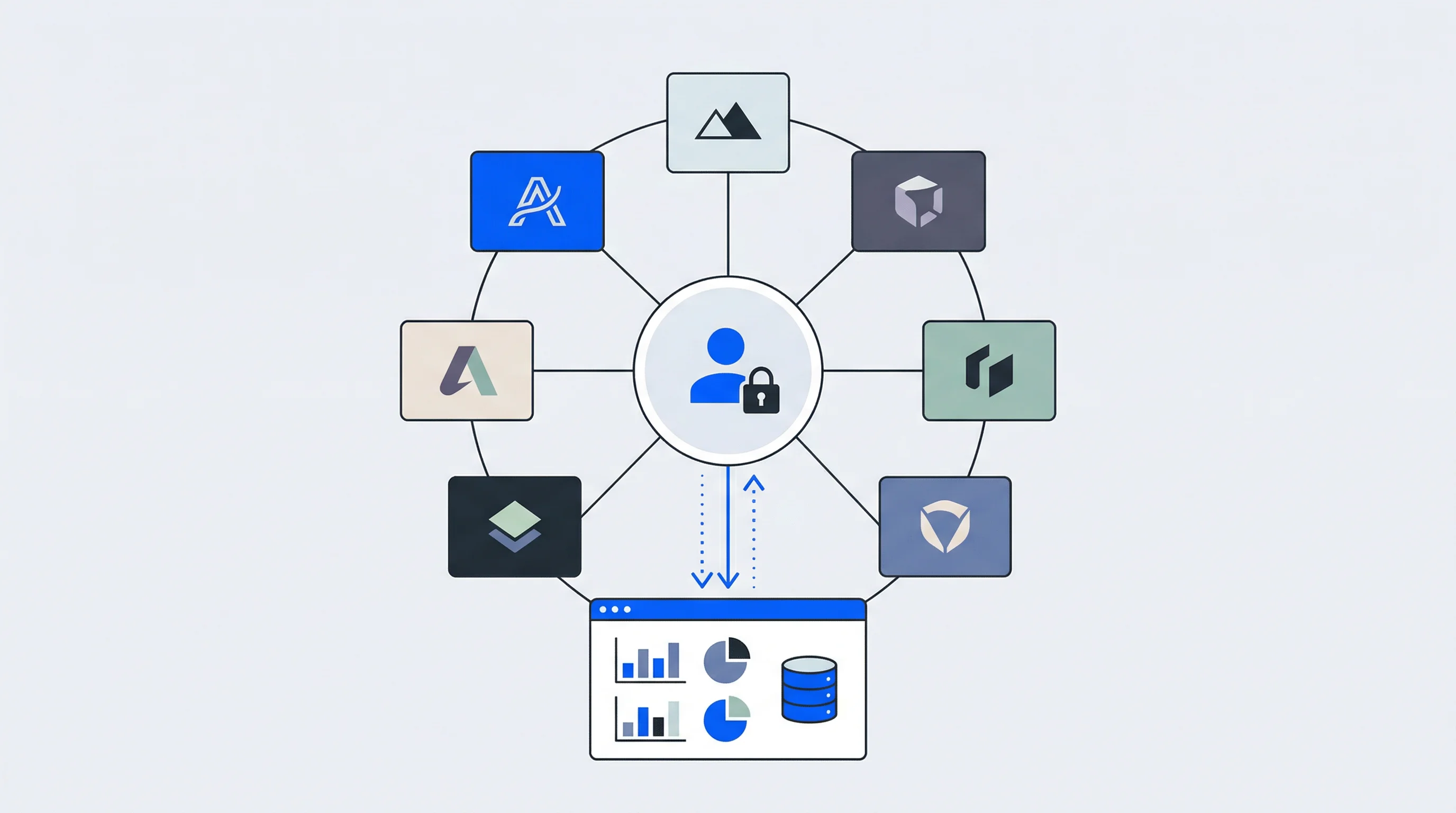
This blog article explains our multi-brand feature and its key benefits. The feature allows organizations a centralized user account for different brands enabling the synchronisation of data across brands. Every brand is designed individually and includes different services, channels and subscriptions.
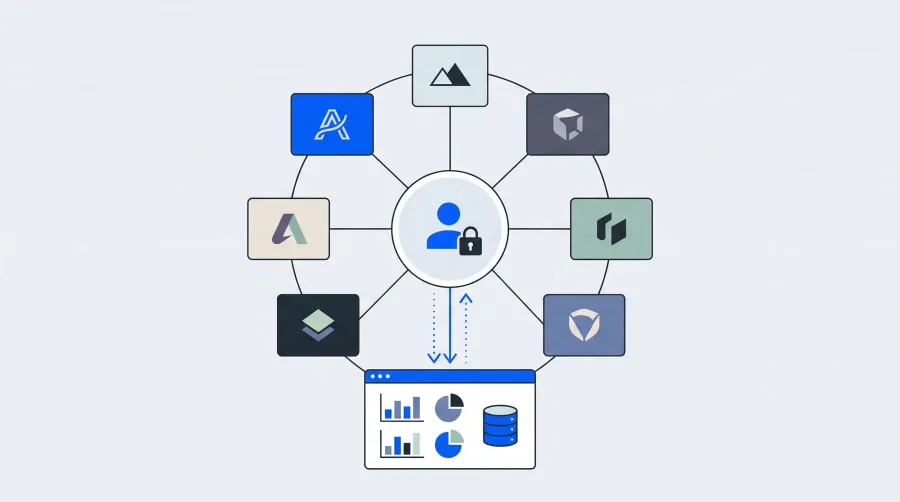
Understanding Multi-Brand Identity Management
A multi-brand identity management system is a centralized identity platform that unifies user authentication and data across multiple brand properties within the same organization. Rather than maintaining separate login systems and user databases for each brand, this approach creates a single, overarching identity layer that connects all your brand touchpoints through one cohesive user experience.
This type of system enables organizations with multiple brands, subsidiaries, or service offerings to break down data silos while maintaining distinct brand identities. Users can access all connected brands through a single set of credentials, while businesses gain a consolidated view of customer interactions across their entire brand portfolio. The system supports OpenID Connect and SAML standards to ensure enterprise-grade security and seamless integration with existing systems.
The feature offers three main benefits
1. Centralized data across all brands The data from multiple brands will be connected and synced with one customer-relationship-management (CRM). The synchronization allows brands to gather data across users from all sub-brands, reducing complexity and costs. The collection of information in one CRM can further be used for broader marketing strategies.
2. Multi-brand as emotional conversion lever A company can use multiple brands as an emotional connection to convert the user. As we link several brands in one profile, each brand becomes a touchpoint that can drive cross-brand discovery, loyalty, and conversion — directly supporting digital sales growth.
3. Unified brand-ID login across connected services Multiple brand-ID-logins can be offered in one connected service. Apart from the three main benefits, companies can raise awareness for all their sub-brands and convert possible new customers.
Benefits of Centralized User Accounts
Centralized accounts across multiple brands create significant value for both organizations and users. From a business perspective, you gain a 360° view of customer behavior and preferences across your entire brand ecosystem. This unified data enables more sophisticated segmentation, personalized marketing campaigns, and cross-brand upselling opportunities that wouldn't be possible with fragmented user databases.
The centralized approach also reduces operational overhead by eliminating duplicate user management processes, streamlining consent management across all brands, and providing a single integration point for your CRM, CDP, and marketing automation tools. This consolidation typically results in lower IT costs and faster deployment of new digital services across your brand portfolio.
This approach fits naturally into a best-of-breed architecture — each brand can use its preferred tools while the central identity layer ensures consistent user data flows between all connected systems through APIs and SCIM-based provisioning.
How Multi-Brand Account Management Works in Practice
Managing user accounts across multiple brands requires a flexible identity architecture that can accommodate different brand configurations while maintaining central control. The system creates individual branded user cockpits for each brand, allowing you to customize data fields, login methods, consent screens, and visual branding to match each brand's specific requirements and compliance needs.
Behind the scenes, the platform maintains a central user ID that links all brand interactions while preserving brand-specific preferences and permissions. This enables users to have different subscription levels, consent settings, or access rights for each brand, while still benefiting from single sign-on convenience. The system continuously synchronizes user data between brands and your connected services through APIs and webhooks, ensuring all your tools have access to the most current, complete user profiles.
Users benefit from the multi-brand instance because they only have to register once to be able to log in for all brands. It is possible to switch between brands — i.e. to use the services of all brands — because the service offered is identical for each ID. Accordingly, the user only has to go through the authorisation process once when connecting to a service or the double opt-in process (DOI).
The white-label identity management layer ensures that each brand maintains its own visual identity, custom domain, and branded experience — while all sharing the same underlying user profile and authentication infrastructure.
If your business might also need an overarching user account for different sub-brands or you want to get more information on the feature, feel free to contact us.
What is CIAM? Customer Identity and Access Management Explained
Customer Identity and Access Management (CIAM) is a framework of technologies that manages how external customers register, authenticate, and access your digital services—distinct from workforce identity systems that handle employee access.
Where we come from and where we want to go
2023 - Our story continues and we are going big on zero-party data this year. This article is about our story so far and our goals for the future.