

2023 - Our story continues and we are going big on zero-party data this year. This article is about our story so far and our goals for the future.
How it started
Our Co-founder and CEO, Jan-Georg, started Unidy five years ago, in 2018. Jan-Georg started Unidy together with former Sport1 Managing Director Raoul Hess, as well as Pascal Friederich and Norman Timmler, who prior to Unidy founded the software agency Njiuko, among others. Formerly working in the sports industry, Jan-Georg developed digital transformation strategies for many clubs as well as associations and executed many data and digital revenue projects. Knowing all the pain points about digital transformation, the need for a centralised fan account solution emerged. This is also why Unidy was initially named "FanConnect". After expanding the industry scope the company got rebranded to UNIDY. Having helped multiple companies, clubs and associations on digital transformation in the past, we experienced that data sovereignty is THE key for digital success. That's why UNIDY was started.
Our mission from the beginning has been to give brands true ownership over their user relationships and data. We believe that organizations should not be dependent on big tech platforms to reach and monetize their audiences. Instead, brands should have direct, transparent relationships with their users through a central identity layer that respects privacy while enabling growth. This vision of digital autonomy drives everything we do—from our technical architecture to our commitment to EU-hosted, GDPR-compliant solutions.
Creating a world of digital autonomy
The basic idea is that brands enable their users getting ownership over their user data and autonomously share relevant data and transparently opt into preferred services. As tech giants like Alphabet, Meta or Tiktok gain tremendous amounts of user data each year, their walled gardens lock revenue potential for organizations. It is becoming increasingly complex and expensive for brands to convert users into customers and monetise them effectively. We identified clubs, athletes, and associations, some of which have millions of followers without actual data ownership. We believe it's about time to return profit margins from tech giants to the brands!
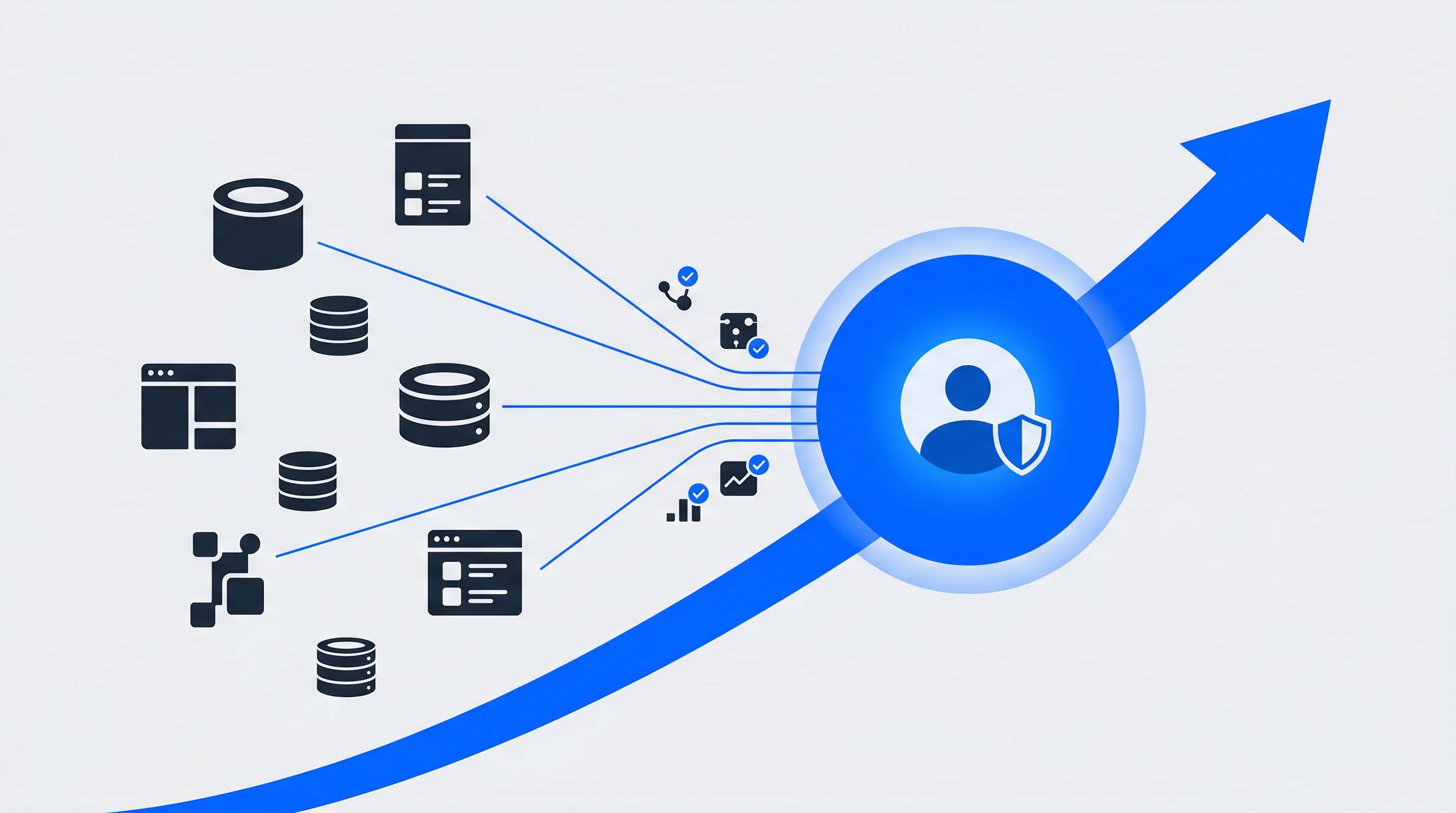
The idea of Unidy originated out of the sports world, however we soon realised this recognised potential lies not only in the sports business, but also in other segments like publishing, real estate, health care or events. We want to enable any brand to seamlessly collect, centralise and monetise zero- and first party user data by connecting single service silos through one central brand account and Single Sign-On.
What Unidy Provides
Unidy is a ready-to-go identity management and Single Sign-On platform that transforms disconnected data silos into digital growth opportunities. At its core, we provide a unified login experience that combines authentication, consent management, and user profile data into one seamless flow. This means your users get a branded central account where they can manage their data and permissions, while you gain deep integrability with over 100 services through APIs, webhooks, and standards like OpenID Connect and SAML.
What sets us apart is our focus on growth and revenue generation, not just technical authentication. We enable premium memberships, ID-based campaigns, and partner integrations that directly impact your bottom line. Our EU-hosted infrastructure ensures GDPR compliance while building comprehensive 360° user profiles that synchronize across your entire digital ecosystem—from CRMs and CDPs to e-commerce platforms and marketing tools. If you want to understand how this drives measurable results, read more about how companies increase digital sales with Unidy.
Our goals
In 2023, our main focus is on driving sustainable growth in all the industries we are already working with, like sports, publishing, tourism, real estate, health care and events.
Additionally, we will enter new industries in order to offer data ownership to as many companies and users as possible. Constantly we will improve our client service by helping our clients to keep up with the data evolution, setting up and marketing zero- and first-party data campaigns and increase their digital revenues. To achieve these goals, we continue integrating tools and services that we believe will help our clients improve their best-of-breed infrastructure. We believe that implementing a zero- and first-party data strategy is the most powerful way to strengthen customer relationships and drive business growth. This type of data can be extremely valuable for businesses, as it allows them to better understand their customers' needs and preferences, and to deliver more relevant and personalised experiences.
Understanding Zero-Party Data Strategy for Brands
What exactly is a zero-party data strategy, and why is it becoming essential for brands in 2023 and beyond? Zero-party data refers to information that users intentionally and proactively share with brands—their preferences, purchase intentions, communication preferences, and personal context. Unlike third-party cookies that track behavior without explicit consent, zero-party data is transparent, permission-based, and creates a direct relationship between brand and customer.
A successful zero-party data strategy for brands involves creating value exchanges where users willingly share information in return for personalized experiences, exclusive content, or better service. This requires a central identity layer—like what Unidy provides—where users can manage their data and consent preferences transparently. Brands can then use this rich, consensual data to create targeted campaigns, personalized product recommendations, and premium membership experiences that drive higher conversion rates and customer lifetime value. Our partnership with Data Talks shows exactly how this works in practice—read more about zero-party data collection and CDP integration.
The key advantage of zero-party data strategy is independence from big tech platforms and their changing privacy policies. When brands own the direct relationship with their users through a central account system, they can maintain consistent access to valuable user insights, regardless of external platform changes. This approach not only ensures GDPR compliance but also builds stronger, more trusted relationships with customers who appreciate transparency and control over their data. For a deeper look at how we implement this through our white-label identity platform, explore our complete guide.
What is our multibrand feature?
This blog article explains our multi-brand feature and its key benefits. The feature allows organizations a centralized user account for different brands enabling the synchronisation of data across brands. Every brand is designed individually and includes different services, channels and subscriptions.
White-Label Identity Management: The Complete Guide
Organizations managing multiple digital properties face a structural identity problem: fragmented authentication systems, fractured user data, and dependency on platforms that own the user relationship. White-label identity management resolves this with a fully rebrandable IAM platform—deployed under your brand, backed by enterprise infrastructure, and built to turn identity into a business asset.